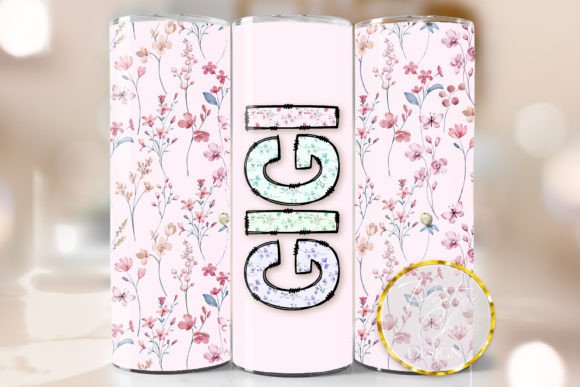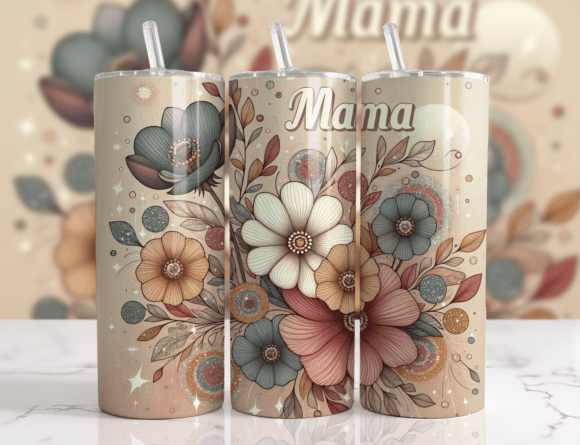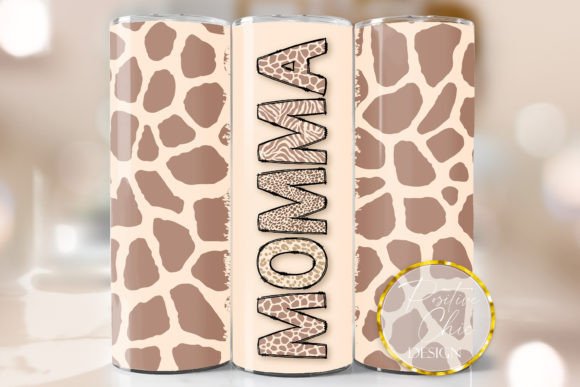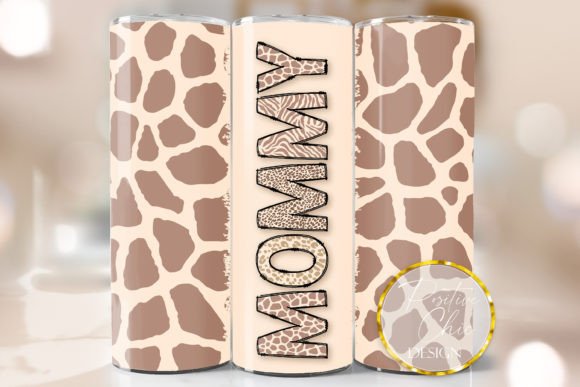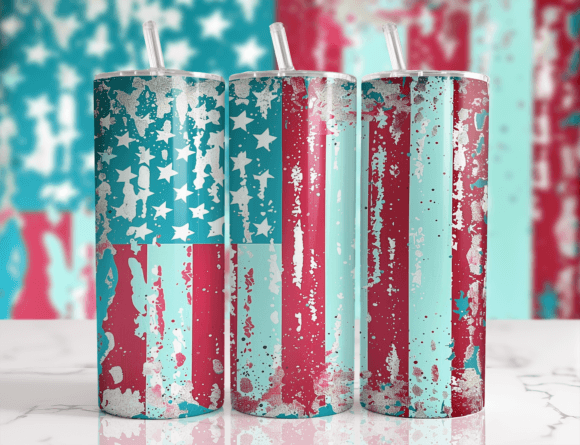
4th of July 20oz Tumbler Wrap
A Designer’s First Look: Bold, Festive, and Purpose-Built
When I opened the 4th of July 20oz Tumbler Wrap, my first thought wasn’t “cute” or “festive”—it was “this has presence.” The layout is clean and intentional: centered stars, balanced stripes, and crisp lettering that reads clearly even at thumbnail size. It doesn’t try to be everything—no fireworks explosions, no crowded eagles, no overwrought script. Instead, it leans into confident simplicity, which is exactly what makes it work so well as a machine embroidery design for real-world use.
Where This Design Truly Shines
I recently used the 4th of July 20oz Tumbler Wrap as the focal point on a set of custom embroidered cotton aprons for a local bakery’s Independence Day pop-up. The wrap’s proportions translated beautifully to the curved front pocket area—no distortion, no awkward cropping. Because the design is built for a straight 20oz tumbler, its width and vertical rhythm naturally adapt to vertical surfaces like apron pockets, tote bag flaps, and pillow covers. It also holds up remarkably well on sweatshirt embroidery: the star motifs read cleanly in satin stitch, and the stripe elements translate smoothly into fill stitch without oversaturating the fabric.
For Etsy sellers and craft business owners, this is a quiet win. Customers scrolling for holiday embroidery files often skip overly busy designs—but they pause for something with strong visual hierarchy and immediate recognition. The 4th of July 20oz Tumbler Wrap delivers that. It’s equally effective as an embroidered patch (heat-applied or sewn-on), a baby embroidery accent on a onesie chest, or a small-scale motif on a tea towel hem. Its graphic nature—rooted in the Graphics category—means it’s designed for clarity, not painterly nuance.
Real Embroidery Considerations You Can’t Skip
That said, don’t assume it’s plug-and-play across all fabrics and applications. On thin or stretchy fabric—like lightweight jersey tees or baby rib knits—you’ll need medium-weight cutaway stabilizer underneath and possibly a light tear-away on top. Without it, the dense fill areas (especially in the star centers) can pucker or distort. I tested it on a dark navy cotton twill cap, and while the contrast worked, the tiny “USA” text near the base required switching to a lighter thread color and slowing the machine speed slightly to preserve legibility.
The design’s strength is also its limitation: it’s optimized for flat, stable surfaces. Avoid using it full-size on highly curved areas like baseball cap crowns or tapered mugs unless you’re willing to split and reposition the elements manually. And if your hoop size is under 4x4”, you’ll need to resize thoughtfully—some details (like the fine stripe separation) lose impact below 3.5” height.
What Your Customers—and Your Brand—Will Notice
Handmade product buyers respond to intentionality. When someone sees a tote bag with the 4th of July 20oz Tumbler Wrap stitched cleanly along the side seam, they don’t just see red, white, and blue—they register care, consistency, and professionalism. That impression directly supports brand trust, especially for small shop owners building repeat customers. I’ve seen this design elevate simple kitchen towels into boutique-level holiday gifts, and when paired with a clean printable mockup (the one included is high-res and well-lit), it strengthens your Etsy listing visuals without extra design overhead.
It also performs well in black-and-white mockups—important for testing how the design reads on dark fabric or in grayscale print catalogs. That versatility matters whether you’re prepping for a craft fair display, updating social media assets, or sending proofs to a client.
Practical Notes Every Embroidery Designer Should Run Through
- Test first on scrap fabric—especially if stitching on textured weaves like linen-look cotton or terry cloth.
- Review stitch density before running on delicate items like baby embroidery or lightweight scarves.
- Confirm hoop size compatibility; while the file scales, extreme resizing may affect satin stitch flow or letter clarity.
- Inspect small details at actual stitch-out size—not just on screen—to catch any potential nesting issues in tight corners.
- Check thread color contrast on both light and dark fabric backgrounds; some reds fade visually on burgundy or charcoal unless you boost saturation or adjust underlay.
- Use proper stabilizer—cutaway for knits, tear-away for stable wovens, and optional topping for napped fabrics like fleece.
- Verify licensing before selling finished products or bundling the digital embroidery file with other design assets. Since this is a Crafts-category digital download, commercial use terms should be confirmed directly with the seller.
Final Thought: A Reliable, Repeatable Asset
The 4th of July 20oz Tumbler Wrap isn’t flashy—but it’s dependable. In my six years reviewing embroidery files for craft businesses, I’ve learned that the most valuable designs aren’t the ones that wow once, but the ones that ship consistently, photograph well, and hold up after washing, folding, and gifting. This one does. It fits neatly into seasonal product lines without demanding special equipment or advanced digitizing knowledge. Whether you’re a solo hobbyist embroidering personalized gifts or an Etsy seller scaling holiday inventory, it’s a grounded, professional-grade addition to your design assets—clean, recognizable, and ready for real embroidery projects.