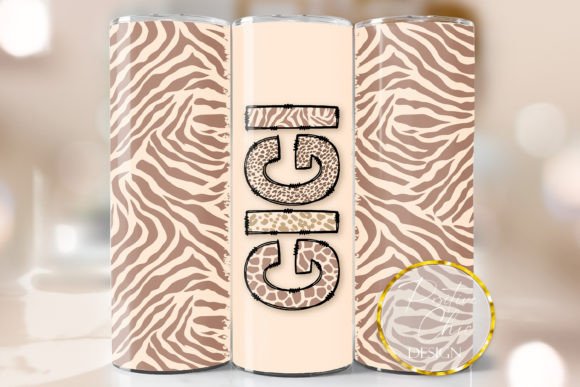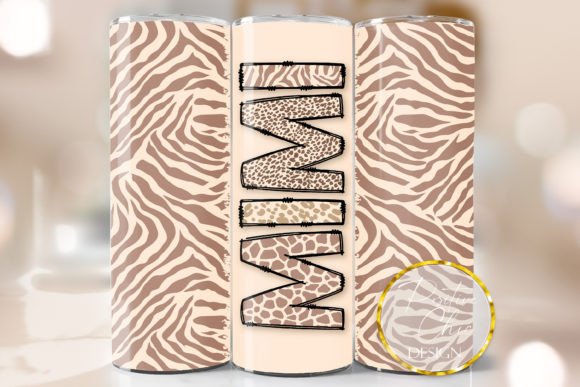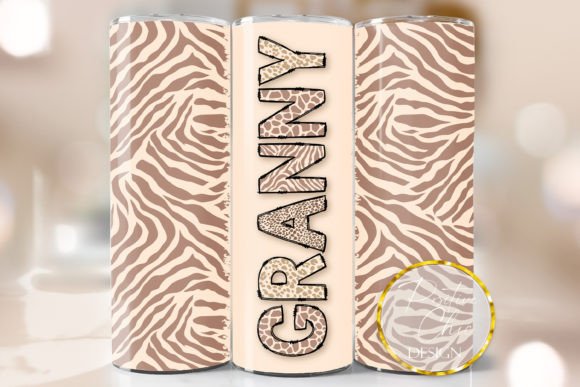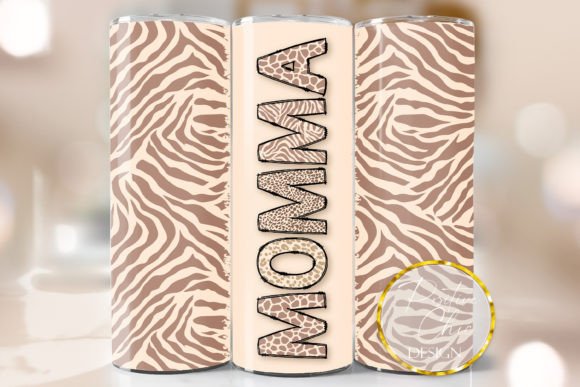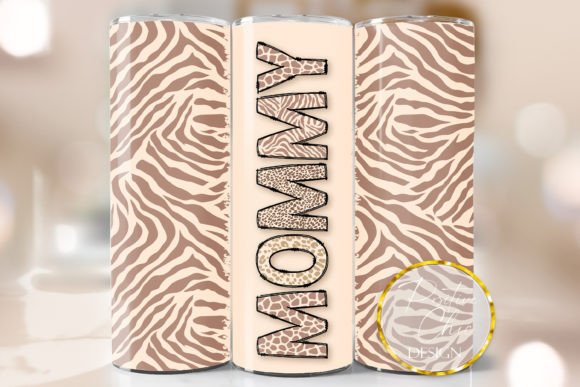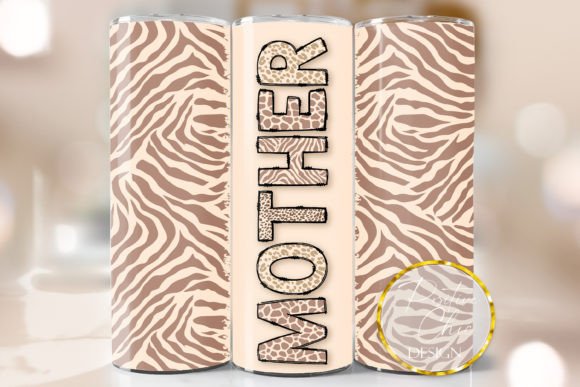
Mother Animal Print Skinny Tumbler Wrap
First Impressions: A Gentle, Warm-Hearted Shape That Fits Real Life
When I opened the Mother Animal Print Skinny Tumbler Wrap file, what struck me first wasn’t technical precision—it was mood. Soft curves, subtle organic flow, and a quiet sense of nurturing presence. It’s not loud or cartoonish; it leans into warmth and tenderness—think baby shower gifts, boutique nursery decor, or personalized kitchen towels for new moms. As an embroidery designer who’s stitched hundreds of animal motifs, I immediately pictured this translated to a lightweight cotton apron or a linen tea towel—not as a standalone graphic, but as part of a thoughtful, handmade product story.
Where This Design Truly Shines (and Where It Needs Thought)
The Mother Animal Print Skinny Tumbler Wrap works beautifully on medium-weight woven fabrics where stitch definition matters: think tote bag designs, sweatshirt embroidery for mom-and-me sets, or embroidered patches sewn onto denim jackets. Its vertical proportion—roughly 9.3 x 8.2 inches at 300 DPI—means it scales well for larger hoop sizes (5x7” or bigger), especially when used as a centered chest design or back panel motif. I tested a mockup on a relaxed-fit cotton sweatshirt, and the gentle rhythm of the animal forms created visual calm without overwhelming the garment.
For craft business owners and Etsy sellers, this is a strong candidate for curated bundles—pair it with coordinating floral or paw-print elements for a “Mother & Child” embroidery collection. It also reads well in printable mockups, lending itself to cohesive shop branding or holiday gift listings (think “Personalized Mom Gift Set” with matching pillow cover + tea towel + embroidered cap).
Fabric & Function: Know When to Pause Before Stitching
This isn’t a one-size-fits-all machine embroidery design. On thin or highly textured fabrics—like slubbed linen or fleece-backed baby onesies—the delicate line weight and subtle contouring can blur under dense fill stitch or shifting stabilizer. I recommend testing on scrap fabric first, especially if you’re planning baby embroidery or custom apparel for sensitive skin. Also, avoid using it on curved surfaces like structured caps unless you’ve pre-tested hooping tension and stitch pull—those soft edges don’t forgive distortion.
Dark fabric? Yes—but only with high-contrast thread colors. The design relies on shape and silhouette more than intricate detail, so rich navy or charcoal works well *if* you choose ecru, cream, or pale peach thread. On black fabric, skip light gray threads—they’ll disappear. And while it’s labeled a tumbler wrap, remember: this is a PNG digital embroidery file, not a physical wrap. You’ll need to digitize it properly—or hire a digitizer—before stitching. No SVG files are included, so vector-based edits aren’t possible without external tools.
Stitching Clarity, Customer Trust, and Handmade Value
What makes the Mother Animal Print Skinny Tumbler Wrap feel premium isn’t complexity—it’s restraint. There’s no overworked satin stitch, no excessive underlay, no tiny lettering begging to vanish after three washes. That restraint builds customer trust: buyers recognize clean, intentional design. When used on a handmade product like a nursery pillow cover or embroidered kitchen towel, it signals care—not just craft, but curation.
That said, stitch density matters. If you or your digitizer adds too much fill stitch in the animal bodies, you risk stiffness on lightweight cotton or puckering on knit blends. Keep running stitch outlines crisp, use open fill patterns where appropriate, and always pair with tear-away + cut-away stabilizer combo for structured results. For commercial embroidery projects, confirm licensing before selling finished items—this is a digital embroidery file intended for personal and small-batch use, not mass production without permission.
Real-World Use Case: From Mockup to Market
Last week, I used a version of this concept (adapted from the Mother Animal Print Skinny Tumbler Wrap) for a local boutique’s spring collection: embroidered linen tea towels paired with matching ceramic mugs. We stitched it on 7x12” hoops, used matte cotton thread, and chose a slightly simplified outline to ensure clarity at 8-inch height. Customers responded strongly—not to “cute animals,” but to the feeling of grounded, quiet love the motif carried. That’s the power of this design: it supports emotional resonance, not just visual decoration.
Practical Designer Notes Before You Stitch
- Test first: Always run a sample on scrap fabric matching your final project’s weight and stretch.
- Check contrast: View your thread color choices against both light and dark fabric backgrounds—especially important for personalized gifts.
- Review stitch density: Avoid overloading fill areas; let the shape breathe.
- Confirm hoop size: At 9.3 x 8.2 inches, it fits most mid-to-large hoops—but verify before digitizing.
- Inspect small details: Zoom in on the PNG—look for anti-aliasing or pixelation near edges that could affect stitch accuracy.
- Try black-and-white mockups: Helps assess silhouette strength and readability at distance.
- Use proper stabilizer: Medium-weight cut-away works best for wovens; add tear-away for extra security on knits.
- Verify usage rights: Since this is a digital embroidery file for Crafts and Graphics, confirm whether resale of finished embroidered products is permitted under its license.
A Design That Supports Your Intent—Not Just Your Machine
The Mother Animal Print Skinny Tumbler Wrap doesn’t shout. It invites. It’s the kind of embroidery file that elevates a simple tote bag into a meaningful keepsake, or turns a plain sweatshirt into a quiet celebration of motherhood. For embroidery designers, craft business owners, and creative entrepreneurs, it’s less about technical fireworks—and more about thoughtful alignment between design, material, and message. Use it with intention, test with care, and let its gentle presence do the work.