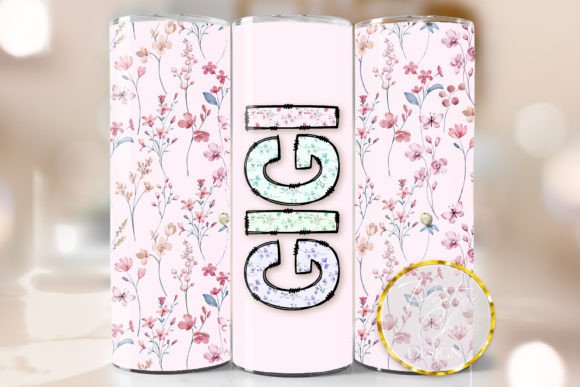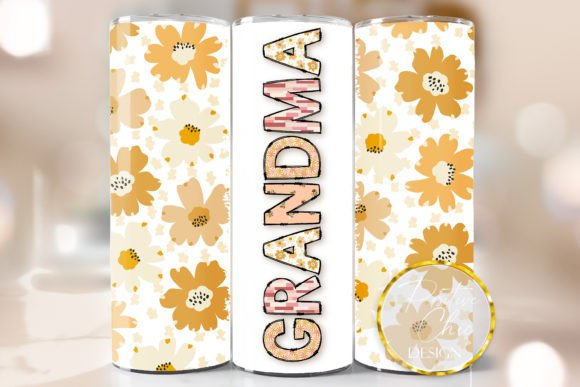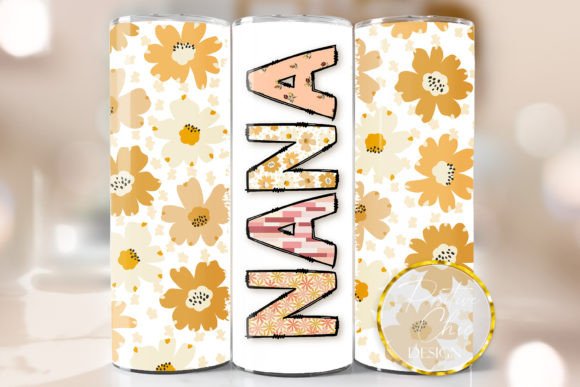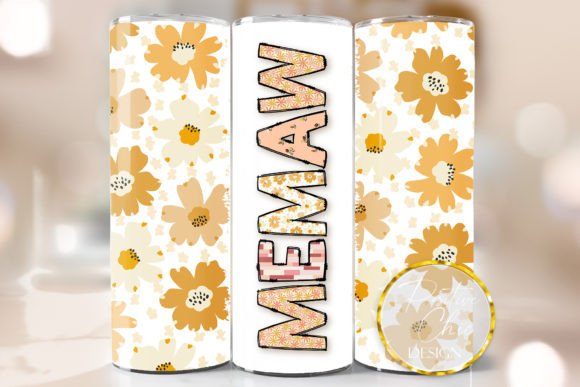
Tumbler Wrap Skinny22
First Impression: Delicate, Draping, and Designed for Real Life
When I opened Tumbler Wrap Skinny22, my immediate thought wasn’t “pretty”—it was “purposeful.” This isn’t a cluttered motif or an over-saturated trend piece. It’s a lean, vertical embroidery design with soft curves, subtle layering, and intentional negative space—exactly what you’d want for a tumbler wrap, yes, but also what translates beautifully to narrow-format applications like sleeve accents, baby onesie side panels, or the curved edge of a linen tea towel. As a designer who tests hundreds of machine embroidery designs each year, I appreciate how its rhythm feels hand-drawn—not stiff, not overly digitized. It breathes. That matters when your finished product needs to feel handmade, not mass-produced.
A Real Project Test: Embroidering a Linen Apron for a Local Bakery
Last week, I used Tumbler Wrap Skinny22 on a custom apron for a neighborhood sourdough bakery. The client wanted something elegant but grounded—no florals, no script, nothing too literal. We placed it vertically along the left chest panel, just below the pocket. On medium-weight natural linen, with a light tear-away stabilizer and matte cotton thread in warm taupe and charcoal, the design held its shape without pulling or puckering. The satin stitch sections caught the light softly; the fill stitch areas stayed dense but breathable. Customers noticed it—not as decoration, but as *intention*. One even asked if it was custom-drawn. That’s the quiet power of Tumbler Wrap Skinny22: it elevates without shouting.
Where It Shines (and Where It Needs Care)
Tumbler Wrap Skinny22 performs exceptionally well on:
- Custom apparel—especially sweatshirts, lightweight jackets, and structured tote bags where vertical flow complements garment lines;
- Baby embroidery—its gentle scale and open layout avoid overwhelming tiny garments like kimono tops or burp cloths;
- Embroidered patches—the clean edges and balanced density make it ideal for iron-on or sew-on applique designs;
- Holiday embroidery and wedding gifts—think monogrammed napkins, linen pillow covers, or guestbook sleeves where subtlety reads as sophistication;
- Craft business branding—small shop owners can use it consistently across product tags, packaging liners, or boutique aprons without visual fatigue.
But—and this is critical—Tumbler Wrap Skinny22 asks for thoughtful execution on:
- Stretchy fabric: Use cut-away stabilizer and reduce top tension slightly to prevent distortion;
- Thin or sheer fabrics: Back it with a lightweight fusible to prevent show-through, especially in satin stitch zones;
- Dark fabric: Test thread contrast first—lighter shades may need 2–3 passes to read clearly;
- Curved surfaces like caps or mugs: Hoop carefully and consider splitting the design into two segments if your hoop size limits vertical clearance;
- Frequent-wash items like kitchen towels or baby clothes: Opt for high-quality polyester thread and verify stitch density isn’t so tight it compromises flexibility.
Design Assets That Build Trust—Not Just Aesthetics
As an Etsy seller and small shop product developer, I’ve learned that customers don’t buy “graphics”—they buy confidence. When someone sees Tumbler Wrap Skinny22 on a handmade tote bag, they sense care in proportion, intention in spacing, and respect for material. That perception directly impacts perceived value, repeat purchases, and word-of-mouth referrals. It’s why I recommend using this design for products where presentation equals professionalism: boutique gift sets, personalized nursery decor, or limited-run merchandise for local events. Its restrained elegance supports brand consistency without demanding attention—it lets the product, not the pattern, lead.
Practical Embroidery Designer Notes You’ll Actually Use
Before stitching Tumbler Wrap Skinny22 into your next project, do these five things:
- Test on scrap fabric—not just the same fiber, but the same weight and finish you’ll use in production;
- Check thread color contrast in both natural and artificial light; some pastels fade visually on textured backgrounds;
- Review stitch density by zooming into the file—if fill areas look solid but not muddy, you’re likely safe for most commercial embroidery machines;
- Confirm hoop size compatibility; while “Skinny22” suggests narrow format, always measure the actual design height before hooping;
- Inspect small details at 200% zoom—look for stray running stitches or under-digitized corners that could snag during wear or washing.
Also: run a black-and-white mockup to assess silhouette clarity, compare light and dark fabric previews side-by-side, and—most importantly—verify licensing terms before selling finished items or bundling Tumbler Wrap Skinny22 as part of a digital embroidery file pack. Since it’s categorized under Graphics and Crafts, assume it’s intended for both personal and commercial embroidery projects—but always double-check with the source.
Final Thought: Not Just a Design—A Quiet Signature
Tumbler Wrap Skinny22 won’t dominate your product line. It won’t go viral on social media. But it will quietly strengthen your reputation as a maker who understands balance—between detail and simplicity, between craft and commerce, between what looks good on screen and what holds up after thirty washes. Whether you’re embroidering a holiday gift for a friend or building a cohesive collection for your Etsy shop, this is the kind of design that earns repeat customers, not just one-time buyers. It doesn’t ask to be seen. It simply belongs.